In the quest for flawless skin, the challenge of how to minimize large pores on nose is often daunting. Dr. Emily Carter, a renowned dermatologist, asserts, “Understanding your skin is the first step to reducing pores effectively.” This insight reflects the importance of personal skin care routines tailored to individual needs.
Large nose pores can result from various factors, including genetics and excess oil. Regular cleaning can help, but it may not be enough. Many people overlook the significance of hydration and exfoliation. These practices can establish a smoother skin texture, leading to the appearance of smaller pores. However, results may vary, and not every method works for everyone.
Accountability is crucial. Even with the right products, skin improvement takes time. You might find that certain treatments feel insufficient or harsh. It’s essential to observe how your skin reacts and adjust accordingly. The journey of understanding how to minimize large pores on nose involves trial and error, so patience and persistence are key.
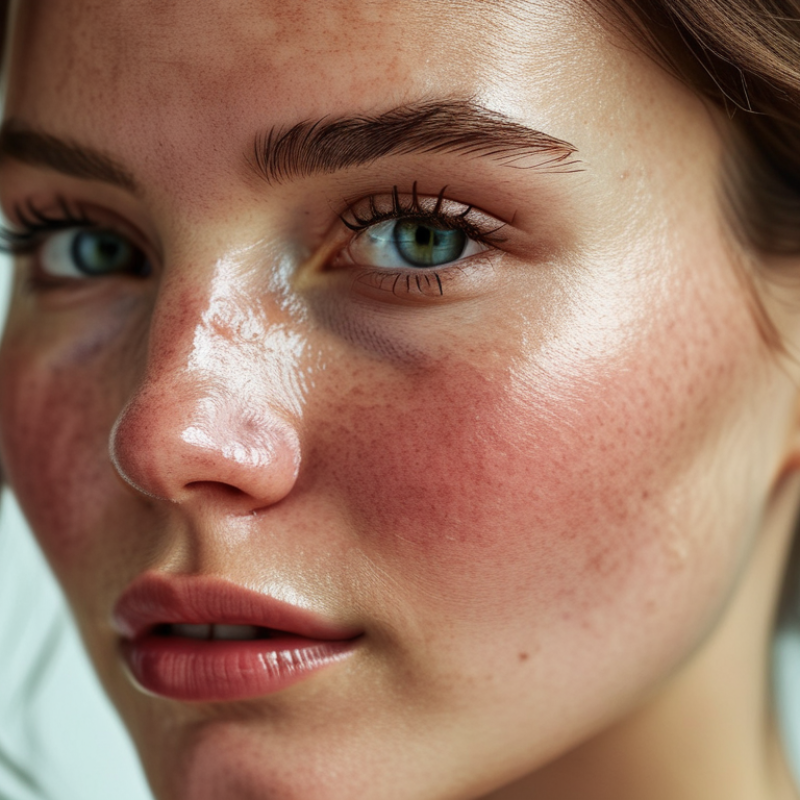
Understanding the Causes of Enlarged Nose Pores
Enlarged nose pores can significantly affect skin texture and appearance. Various factors contribute to this condition. Genetics plays a crucial role; individuals with oily skin often have larger pores. According to dermatological studies, approximately 60% of people with oily skin experience noticeable pore enlargement. This is largely due to excess sebum production, which clogs pores and stretches them over time.
Sun damage is another key factor. UV exposure can lead to the breakdown of collagen and elastin, essential proteins that keep skin firm. Research indicates that about 30% of the population shows signs of sun damage by their late twenties. This may contribute to larger pores as skin loses its elasticity. Stress and hormonal fluctuations can also exacerbate this issue, making monthly cycles particularly challenging for many.
In efforts to understand these causes, it is essential to focus on maintaining skin health. A consistent skincare routine that includes exfoliation can help to remove dead skin cells. Hydration is crucial as well, but it's important to use products that do not clog pores. Despite these efforts, results can vary widely. Many find that even with diligence, their pores remain a persistent concern. Addressing this issue requires patience and ongoing learning about what works best for individual skin types.
Effective Cleansing Techniques for Reduced Pore Appearance
Achieving smooth skin requires effective cleansing techniques. Large nose pores can be minimized by adopting a proper skincare routine. Begin with a gentle cleanser that removes excess oil and impurities. Look for a formula that balances the skin, preventing over-drying. Remember, stripping too much oil can lead to more oil production.
Exfoliation plays a crucial role as well. Regularly using a gentle scrub or a chemical exfoliant can help unclog pores. However, avoid harsh scrubs that can irritate the skin. Over-exfoliation might damage the skin barrier. Find a balance that works for you, focusing on your unique skin needs.
Hydration is equally important. A moist environment helps maintain skin elasticity. But, not all moisturizers are equal. Choose one that suits your skin type to avoid clogging pores. Test products before committing to them, as some may not deliver the desired results. Monitor how your skin reacts over time. Consistency, patience, and adjustments are key to achieving smoother skin.
Top Skincare Ingredients for Minimizing Nose Pores
To achieve smooth skin with minimized nose pores, focusing on key skincare ingredients is crucial. According to the American Academy of Dermatology, enlarged pores often result from excess oil and skin cell buildup. One effective ingredient is salicylic acid. This beta hydroxy acid penetrates deep into the pores, effectively unclogging them. Research suggests that regular use can reduce pore size by up to 30% over time.
Another powerful component is niacinamide. With its anti-inflammatory properties, niacinamide helps to regulate sebum production. In clinical studies, it showed a 20% improvement in pore appearance in participants who used it daily for eight weeks. Incorporating niacinamide into your skincare routine can lead to visibly smoother skin.
Finally, retinoids are essential for promoting cell turnover. A study published in the Journal of Cosmetic Dermatology indicated that users experienced a significant reduction in pore size – about 25% – after consistent use. However, individuals must be cautious. Retinoids can cause irritation and dryness, especially for those with sensitive skin. Adjusting usage and combining with moisturizing agents may mitigate these effects. Balancing effectiveness with skin health is essential.
Home Remedies and Natural Treatments for Smooth Skin
When tackling large nose pores, home remedies can deliver impressive results. Natural treatments offer gentler alternatives, and they are often kinder to your skin.
Baking soda can be a standout choice. Simply mix it with water to create a paste. This exfoliant unclogs pores and removes dead skin cells.
However, overuse may irritate sensitive skin. Monitor how your skin reacts.
Another great option is honey. Its natural antibacterial properties can help with inflammation.
Apply a thin layer on your nose and leave it for about 15 minutes. Rinse well with warm water.
It’s effective yet gentle. Regular use may not suit everyone.
Pay attention to how your skin feels.
Tea tree oil is another powerful ally. Dilute a few drops with a carrier oil and apply it to the affected areas.
This helps reduce oiliness and tightens pores.
However, it's vital to spot-test any remedy before fully applying. You might find some products worsen your skin's condition.
Consistency is key, but patience is essential. Finding what truly works for you may take time. Experiment, observe, and adjust your approach.
Professional Treatments and Procedures for Pore Reduction
When it comes to minimizing large nose pores, professional treatments can make a significant difference. Dermatologists offer various procedures to achieve smoother skin. Chemical peels remove dead skin cells, promoting new cell growth. Microdermabrasion exfoliates the skin surface, enhancing texture. These options require skilled professionals for optimal results.
Laser therapy is another effective method. It targets the deeper layers of skin, stimulating collagen production. This can lead to reduced pore visibility over time. Many patients report satisfaction with their results, but it's essential to manage expectations. Each person's skin reacts differently to treatments. Consultation with a trusted dermatologist is crucial for personalized advice.
For better outcomes, consider these tips. Consistently follow a skincare routine that includes gentle exfoliation. Hydration plays a vital role, too; it helps maintain skin elasticity. Avoid over-washing, which can irritate the skin and enlarge pores. Lastly, remember that patience is key. Results from professional treatments take time to manifest fully.
FAQS
: Start with a gentle cleanser that effectively removes oil and impurities without over-drying.
Exfoliation unclogs pores. Use a gentle scrub or chemical exfoliant, but avoid harsh options that irritate.
Keeping skin moisturized helps maintain elasticity and reduces the chances of enlarged pores.
Yes, mix baking soda with water to create a paste. It unclogs pores but use cautiously to avoid irritation.
Honey has antibacterial properties. Apply it for about 15 minutes to reduce inflammation gently.
Always dilute it with a carrier oil and perform a spot test to check for adverse reactions.
Results vary; consistency and patience are key. Monitor your skin's response over time.
No, choose a moisturizer suitable for your skin type to avoid clogging your pores.
Experiment with different products, observe your skin's reactions, and adjust accordingly.
Stripping too much oil can lead to increased oil production, so find a balance that works for you.
Conclusion
In the quest to understand how to minimize large pores on the nose, it's essential to first explore the underlying causes of enlarged pores, which can include oily skin, genetics, and environmental factors. Effective cleansing techniques are crucial for maintaining skin hygiene and reducing the visibility of pores. Key skincare ingredients like salicylic acid, retinoids, and niacinamide can also contribute significantly to minimizing pore appearance.
For those seeking natural alternatives, various home remedies can be effective in promoting smooth skin. Additionally, professional treatments such as chemical peels, laser therapy, and microdermabrasion offer advanced options for pore reduction. By adopting a comprehensive approach that combines proper skincare, natural treatments, and professional procedures, achieving smoother skin and minimizing large nose pores becomes more attainable.

 ZenAtti Beauty